 Follow
 August Recess Sees Student Loan Issue Resolved, FY14 Appropriations Mess
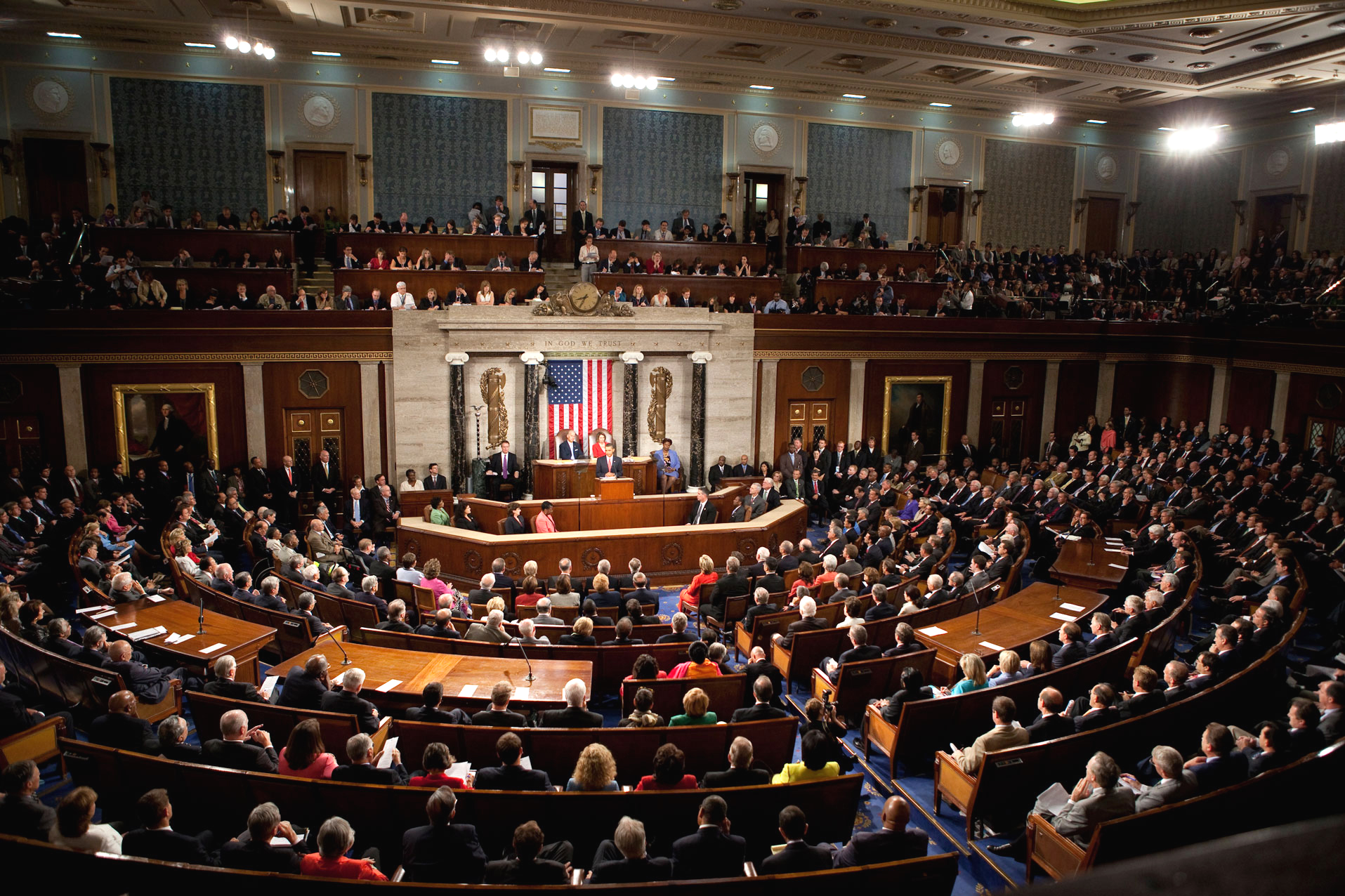
Washington DC – This week Congress starts its annual August District Work Period, which means they won’t be back in town until September 9th. With the current fiscal year ending September 30th, Congress is currently scheduled to be in session only 9 days in September. Recognizing this, House and Senate leaders were trying to move as many of the 12 annual appropriations bills as possible. However, the House was only able to pass four, and the Senate zero before leaving town. Only the Senate has seen any official action on the Labor HHS bill (which funds all discretionary health programs), but even there it hasn’t passed the full Senate.
Last week, both the House and Senate pulled the first major domestic spending bill (Transportation/HUD) from both floors as the votes failed to materialize to pass either version. The Senate bill proposed a higher funding level, which the Republicans blocked…and the House took a much lower funding level, but then failed to garner enough support to pass the bill at that low level. House Appropriations Chairman Hal Rogers (R-KY) immediately put out a blistering statement on the impact of the House Budget and called on leaders to end sequestration immediately. The real impact of the House and Senate failures will not be known until they return in September, but hope for individual appropriations measures has all but evaporated. Most analysts expect a political showdown in September as both parties seek to enact their versions before the end of the fiscal year. If they can’t resolve their differences, a government shutdown looms on the horizon.
One issue that Congress was able to resolve was the doubling of the student loan interest rate. The final package retroactively reversed the increase in student loans that occurred on July 1st, and permanently linked future interest rates to the financial markets., while introducing caps on how high rates can rise. The measure was sent to the President on August 1st, after easily passing both Houses of Congress, just before they left for the August recess.



Follow Us!